Agree the objective
Before completing short team challenges in quick succession, make sure the team understands what counts as progress in each round.
Short, facilitator-led games to energise the team and reset focus.
Quick team-building games fit meetings, conferences and offsites where time is limited. Sieger Group can adapt the pace, group size and activity choice to your agenda and intended outcomes.
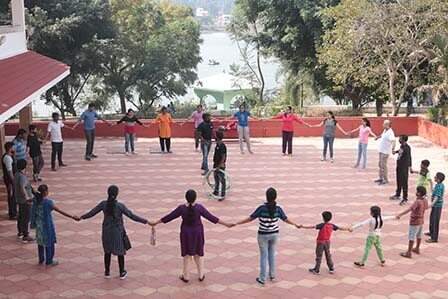
Quick team building exercises are important because it builds trust, mitigates conflict and helps keep fellow employees engaged and helps them focus. One of the key factors for any successful business is engaged employees.
Coin Logo: Each person to create their own personal logo using the coins in front of them in just one minute. Other materials they may have on them, such as pens, notebooks, wallets, etc. can also be used in creation of the logo.
Before completing short team challenges in quick succession, make sure the team understands what counts as progress in each round.
Give everyone a clear way to contribute rather than leaving the same people to act each time.
Use concise updates when the task or result changes and the group needs to choose again.
Notice who has not yet taken part and create an opening for their contribution.
Use a short reset to keep what worked, change what did not and begin the next attempt together.
Celebrate effort, good decisions and encouragement as well as the final score.
The session centres on completing short team challenges in quick succession. The facilitator briefs the group, guides the activity and helps participants reflect on the choices they made together.
Match the quick games to the group's available time and energy.
Introduce one concise task at a time so the team can begin with shared understanding.
Adjust roles and communication as the group moves through the short formats.
Identify a specific behaviour from the games that the team can use again.
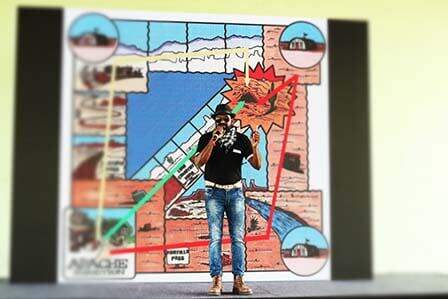
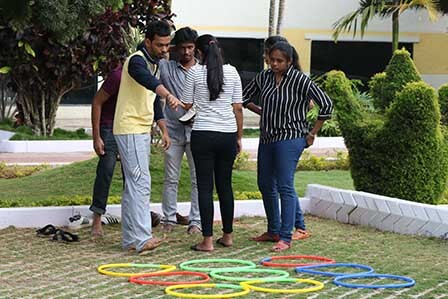
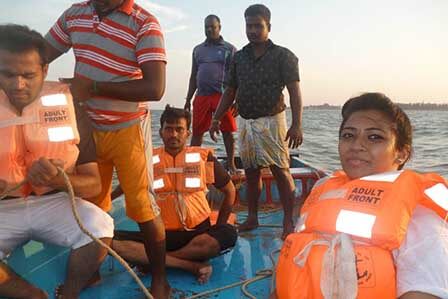
Explore photographs to picture the experience before planning your team event.

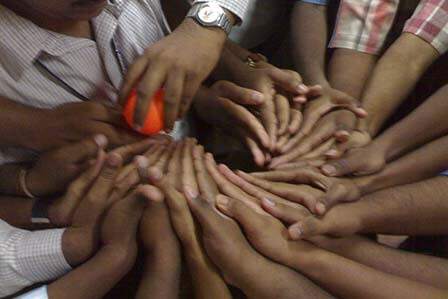
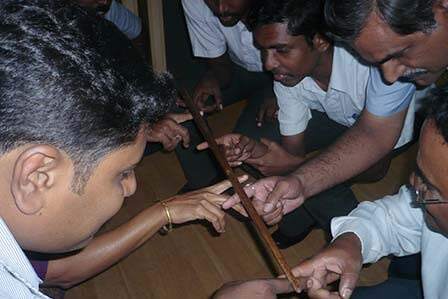
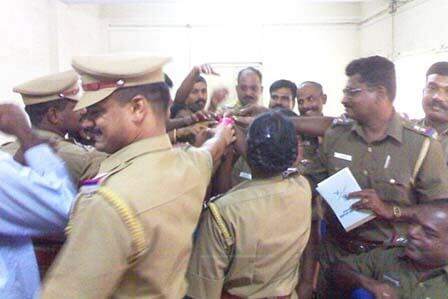
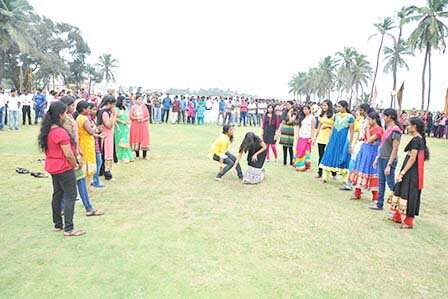


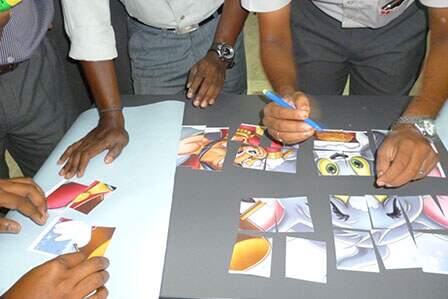


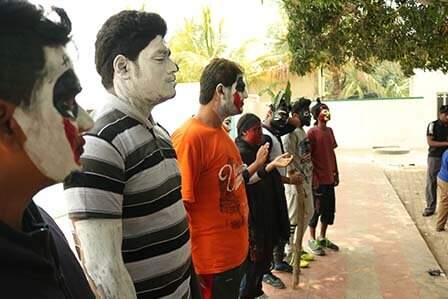
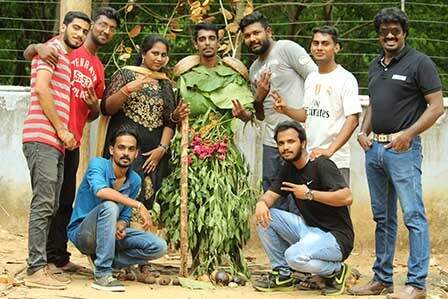
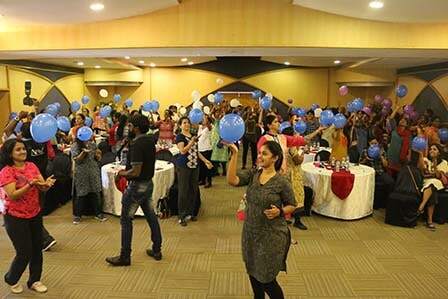
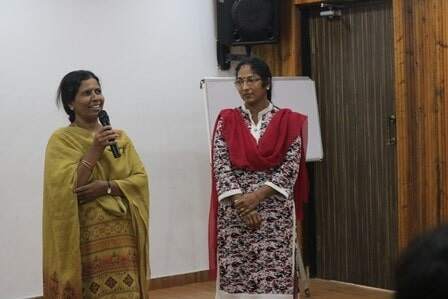
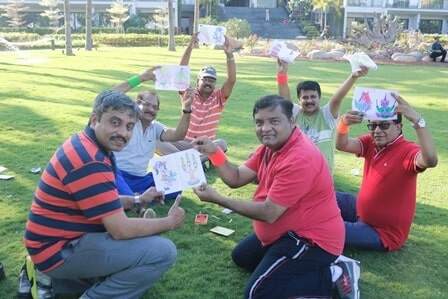
As teams work through completing short team challenges in quick succession, short rounds or changing tasks reveal how people set priorities, share roles and respond when the result is uncertain. The format gives the facilitator specific moments to recognize, not just a score to celebrate.
Bring the debrief back to work by discussing how teams include different voices, reset after a setback and keep competition focused on learning and participation.
Which short game revealed a familiar teamwork habit?
How quickly did the group clarify the task before starting?
What helped participants adjust between rapid rounds?
Which useful observation emerged despite the limited activity time?
Reflect on what helped participants understand a task without a lengthy explanation.
Consider how a short round offered a quick way to try a different team approach.
The Quick Team Building Games and Activities team-building experience centres on completing short team challenges in quick succession. Sieger Group can tailor the facilitation, session flow and venue plan to your group size, event format and objectives.
Create a personal logo using coins and small items at hand. Explain the design as a quick introduction to your interests or working style.
Reproduce individual picture sections at a larger scale, then assemble them into one image. Matching edges makes each contribution part of the shared result.
Share experiences or goals from your bucket list. Listening to colleagues can reveal common interests beyond everyday work conversations.
Introduce an object, interest or story to the group. Short presentations and questions give colleagues an opportunity to learn about one another.
Exchange short handwritten notes with colleagues. Use a shared prompt to start conversations across teams or introduce people who rarely work together.
A listening exercise invites teammates to hear another perspective before responding. Discuss what helped people explain their ideas and feel understood.
Negotiate to obtain the card pieces your group needs. Consider different priorities and agree exchanges that help complete the task.
Build the tallest paper structure within the short activity window. Compare ideas, divide construction roles and adjust the design as time runs down.
A paired exercise explores comfortable eye contact and non-verbal attention. The facilitator explains the format and respects individual preferences.
A detective tries to identify the secret winker before the round ends. Observation and playful bluffing make this a quick guessing game.
Follow the facilitator's count and look-up cues. The equipment-free format provides a short change of pace between longer sessions.
Work together to untangle a connected arrangement of hands. Clear suggestions and patient coordination help the group account for everyone's position.
A storyteller builds a tale while teammates contribute unexpected words. Changing prompts encourage quick thinking and shared creativity.
Sketch a solution on a napkin-sized canvas. Teams agree the essentials and present their concept in a concise visual form.
Guide a tennis ball across a tarpaulin containing holes. Coordinated movement and clear calls help the group control its route.
Move balls between buckets without using hands or arms. Teams compare approaches and coordinate contributions to the transfer task.
Complete a jigsaw when some required pieces are held by another team. Progress depends on exchanging information and agreeing how to cooperate.
Complete simple tasks in a linked-team format. Participants communicate their next move and coordinate closely with the colleagues connected to them.
Demonstrate an object without naming it while teammates guess. Gestures and imaginative interpretations make this a creative warm-up.
Discuss a fictional shipwreck and agree how the group would respond. Comparing priorities creates a compact decision-making challenge.
Lower a lightweight stick together while maintaining the required contact. Small movement differences prompt the group to coordinate pace and communication.
Create a mummy-style costume with the supplied wrapping material. Teams agree roles and follow the facilitator's format to complete the playful design.
Build a small castle within the short activity time. The facilitator confirms materials and scoring before teams compare their constructions.
Construct a freestanding tower that supports a marshmallow. Teams experiment with a lightweight structure and adjust the design as it develops.
A shared belt-based challenge asks teammates to coordinate as one group. The facilitator explains the arrangement before participants plan their approach.
Design and fly paper aircraft in a friendly contest. Compare folds, discuss each flight and refine the designs.
Use group positions to create letters, words or shapes. Teams agree how individual contributions will form the complete picture.
Reflect on an experience and invite a colleague to identify a positive aspect. Discuss how different perspectives can change an interpretation.
Work together outdoors to create the longest combined shadow. Experiment with the group's arrangement and notice how position affects the outline.
Use the Googlism theme for a playful discussion of name-based associations. Confirm the available format rather than relying on a particular online tool.
Choose a prop and develop an improvised scene around it. Teams assign roles and turn an unexpected object into a shared performance.
Arrange milestones or personal experiences into a group timeline. Compare the entries and discuss the team's different backgrounds.
Sieger Group supports organisations with team-building experiences and facilitated programmes.
Answers to common planning questions about the activity, venue and team format.
Quick team building exercises are important because it builds trust, mitigates conflict and helps keep fellow employees engaged and helps them focus. One of the key factors for any successful business is engaged employees.
Coin Logo: Each person to create their own personal logo using the coins in front of them in just one minute. Other materials they may have on them, such as pens, notebooks, wallets, etc. can also be used in creation of the logo. Participants can share information, listen actively and make their ideas clear during the shared task.
Previous experience requirements depend on the activity format. Share your participants’ experience level and any access needs when enquiring so Sieger Group can discuss a suitable plan.
Yes. Share the outcomes you want to support, such as communication, trust, creative problem-solving or coordination. Sieger Group can discuss how the Quick Team Building Games and Activities format may fit your wider programme.
Venue requirements depend on the activity, equipment and event format. Tell Sieger Group where you plan to host the session so the team can confirm the practical setup.
That depends on the activity and the available setup. Share your preferred indoor or outdoor venue, along with any site constraints, and Sieger Group can advise on suitability.
The suitable group size depends on the format, venue and schedule. Include your expected headcount in the enquiry so Sieger Group can recommend an appropriate arrangement.
Session length can be planned around the activity format and your event schedule. Share the time available so Sieger Group can recommend a suitable plan.
Please share your preferred date, location or venue, expected group size, audience, event objectives and any practical requirements. This helps Sieger Group respond with relevant planning details.
Use the enquiry section on this page or the shared Get in Touch option. Tell us about your team, location, preferred date and goals; Sieger Group will follow up to discuss the activity and next steps.
Tell us what you want your team to practise through Quick Team Building Games and Activities. Sieger Group can help plan a facilitated session around your group, venue and event goals.
Discuss a suitable session format, activity flow and level of challenge for your team.
Still finalising plans? Share what you know and we can start there.
Leave your details and a little about the session you have in mind.
Share your event brief for Quick Team Building Games and Activities with Sieger Group and shape a session around your people and objectives.