Agree the objective
Before using short games to help participants meet and contribute, make sure the team understands what counts as progress in each round.
Start conversations with purposeful, quick team activities.
Icebreaker games help colleagues get talking and feel ready to join an event. Sieger Group can facilitate a short activity for the start, middle or close of your meeting, conference or team programme.

Ice breakers allow group participation, so they are an excellent way to get people interested in an event or activity and relax. Our list of icebreakers can be played any where, any levels & age and group size. Invite us to facilitate Ice Breaker in the beginning, middle, or end of any activity.
Diversity Bingo: Bingo help participants to get information on each other in a fun, competitive way. Participants will have 10 minutes to mingle around, introducing themselves to each other and try to find someone for whom the statement in each of the squares is true.
Before using short games to help participants meet and contribute, make sure the team understands what counts as progress in each round.
Give everyone a clear way to contribute rather than leaving the same people to act each time.
Use concise updates when the task or result changes and the group needs to choose again.
Notice who has not yet taken part and create an opening for their contribution.
Use a short reset to keep what worked, change what did not and begin the next attempt together.
Celebrate effort, good decisions and encouragement as well as the final score.
The session centres on using short games to help participants meet and contribute. The facilitator briefs the group, guides the activity and helps participants reflect on the choices they made together.
Choose short introductions or games that suit the group and meeting purpose.
Use clear prompts so participants can join without needing extensive preparation.
Move through the selected activities to create interactions beyond familiar colleagues.
Identify new connections or common interests that can support the rest of the event.
Explore photographs to picture the experience before planning your team event.


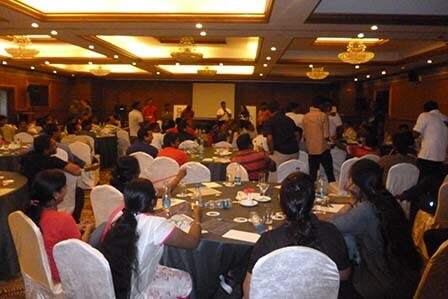

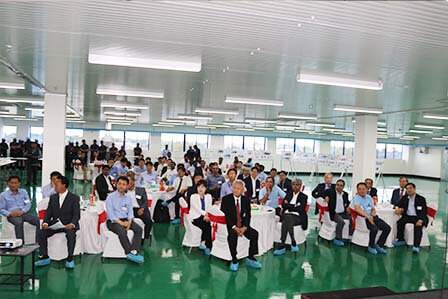
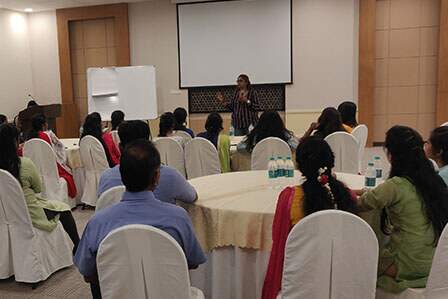
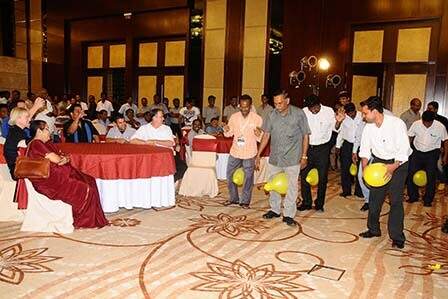
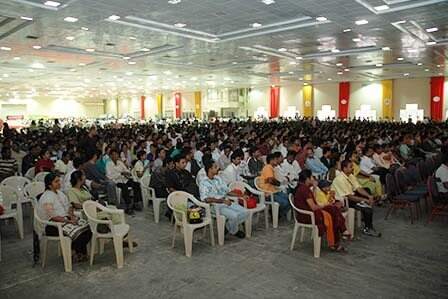
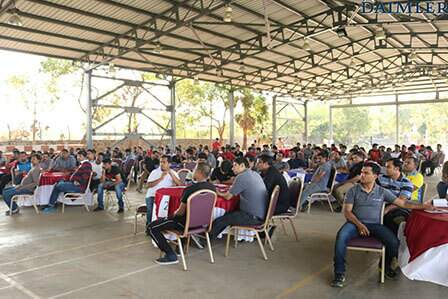
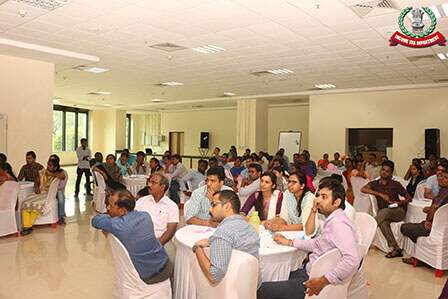
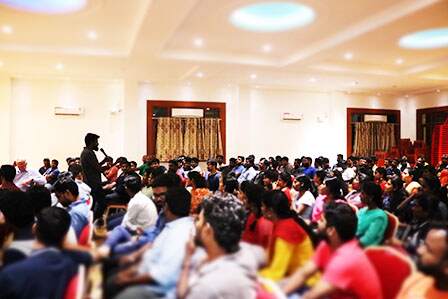

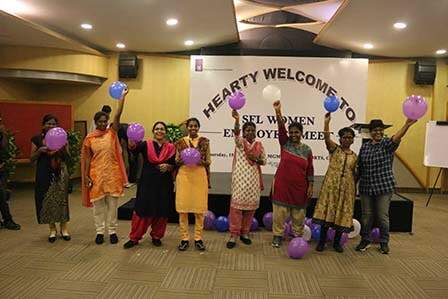
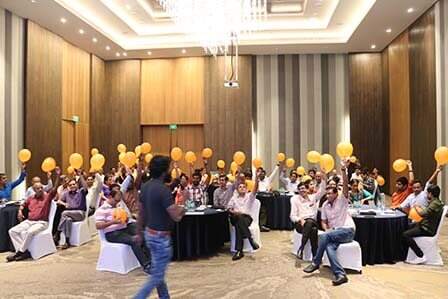


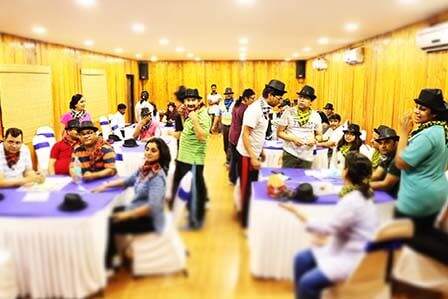


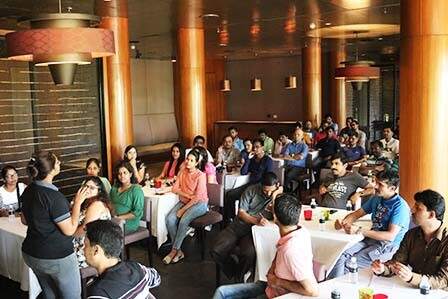
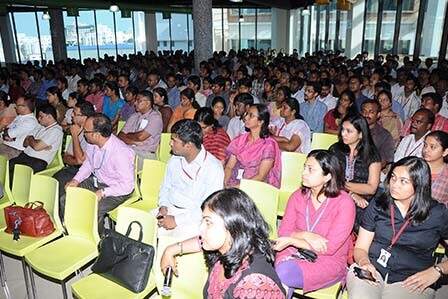

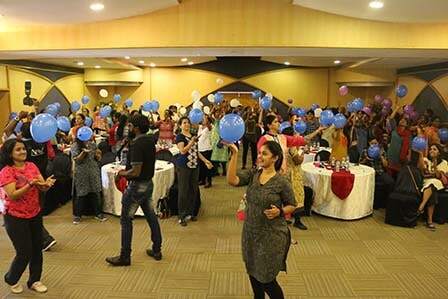
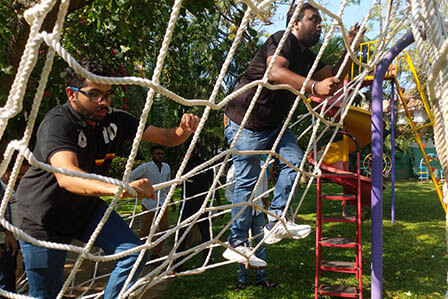
As teams work through using short games to help participants meet and contribute, short rounds or changing tasks reveal how people set priorities, share roles and respond when the result is uncertain. The format gives the facilitator specific moments to recognize, not just a score to celebrate.
Bring the debrief back to work by discussing how teams include different voices, reset after a setback and keep competition focused on learning and participation.
Which prompts helped people move beyond familiar introductions?
How did participants make space for different personalities?
What helped new colleagues enter the conversation?
Which connections could the team continue after the opening activity?
Reflect on which opening prompt helped people contribute comfortably.
Consider how meeting colleagues changed the tone of the workshop or team session.
The Ice Breaker Activities and Games team-building experience centres on using short games to help participants meet and contribute. Sieger Group can tailor the facilitation, session flow and venue plan to your group size, event format and objectives.
Find colleagues who match descriptions on a bingo sheet. Each completed square starts a conversation beyond familiar workplace groups.
Stand on an imaginary map according to where you grew up. Share a story or value associated with that place.
Use a tic-tac-toe themed introduction to discover interests or values. The facilitator explains how each square connects to the conversation.
Create a personal trading card with interests beyond a job title. Exchange cards to start conversations across teams.
Introduce yourself and recall names shared earlier around the group. The growing sequence helps participants learn one another's names.
Build a freestanding structure with a marshmallow on top. The short design challenge invites experimentation and shared decisions.
Create a distinctive greeting with a partner, then combine ideas with another colleague. Agree a gesture both participants are comfortable using.
Pass an imaginary ball with accompanying sounds. Increasing the pace invites spontaneous responses and attention to the next person.
Discover shared interests alongside characteristics unique to individuals. Explore both common ground and different perspectives.
Create a coat of arms representing personal or team values. Explain the symbols and discuss the ideas behind the design.
Arrange yourselves in an order set by the facilitator without speaking. Gestures and observation help establish the sequence.
Pass a whispered message along a line. Compare the final version with the original and discuss how information changed.
Find ten things you have in common with different colleagues. Move beyond one conversation to meet several people.
Choose a cartoon character that reflects something about you and add your name. Use the choice as an introduction prompt.
Respond to quick prompts using flashcards. Everyone has a concise way to share answers and compare perspectives.
Find colleagues whose puzzle pieces connect with yours. Assembling the image creates an easy reason to introduce yourselves.
Choose one word capturing your response to the meeting theme. Discuss the choices before bringing the conversation together.
Answer a light-hearted question from the facilitator. Short turns reveal interests and stories beyond everyday work roles.
Complete a light-hearted personality quiz and discuss the results. Treat answers as conversation prompts rather than fixed descriptions of people.
Find items or complete prompts around the venue in mixed teams. The search helps colleagues interact across departments.
Share a funny photograph you are comfortable showing and tell its story. The group can guess whose photo it is first.
Build a story one contribution at a time. Continue from the previous speaker while adding an unexpected idea.
Draw an object from a bag and weave it into the story. Changing props invite imaginative contributions.
Pass an acted clue along a line without speaking. The last participant guesses the original prompt.
Introduce yourself with an adjective paired with your name. The group recalls the combinations in a playful memory exercise.
Choose a favourite season and explain what you enjoy about it. Explore individual preferences and experiences.
Create a crossword using participants' names and clues about them. Connect names with personal details as you solve it.
Write an anonymous introduction and fold it into a paper aircraft. Read the collected introductions and guess their authors.
Mark your birthplace on a shared map. Use the display to start conversations about different backgrounds.
Pair the syllables of your name with movements. The group repeats the name and actions to remember each introduction.
Hum an assigned song and find colleagues humming the same tune. Matching melodies forms pairs or teams.
Take turns singing songs containing the chosen word. Teams draw on their shared musical memory.
Pass a sequence of snaps, claps and leg taps around a circle. Watch and listen as the leader changes the pattern.
Play short rounds of rock, paper and scissors. Follow the tournament and encourage the remaining players.
Introduce yourself and connect with someone sharing an interest. Each connection adds another introduction to the group chain.
Untangle a connected arrangement of hands together. The task encourages patience and awareness of others' positions.
Add another 'ha' to a growing sequence while keeping a straight face. The simple pattern creates a light-hearted group moment.
Move a hoop along a connected group without breaking the chain. Coordinate positions and timing to reach the other end.
Join a lively performance themed around a cowboy routine. The facilitator introduces actions and invites groups to entertain one another.
Match volunteered baby photos to the colleagues pictured. The reveal invites stories and friendly conversation.
Meet colleagues through short paired conversations. Rotating partners creates several introductions within a limited time.
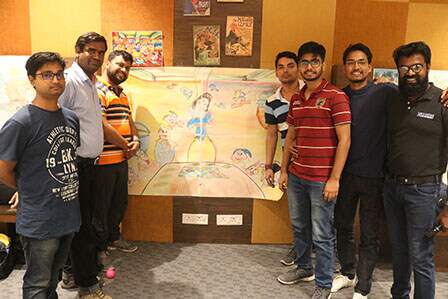
Draw separate sections of a figure without seeing earlier contributions. Reveal the picture and enjoy how the interpretations fit together.
Sieger Group supports organisations with team-building experiences and facilitated programmes.
Answers to common planning questions about the activity, venue and team format.
Ice breakers allow group participation, so they are an excellent way to get people interested in an event or activity and relax. Our list of icebreakers can be played any where, any levels & age and group size. Invite us to facilitate Ice Breaker in the beginning, middle, or end of any activity.
Diversity Bingo: Bingo help participants to get information on each other in a fun, competitive way. Participants will have 10 minutes to mingle around, introducing themselves to each other and try to find someone for whom the statement in each of the squares is true. Participants can share information, listen actively and make their ideas clear during the shared task.
Previous experience requirements depend on the activity format. Share your participants’ experience level and any access needs when enquiring so Sieger Group can discuss a suitable plan.
Yes. Share the outcomes you want to support, such as communication, trust, creative problem-solving or coordination. Sieger Group can discuss how the Ice Breaker Activities and Games format may fit your wider programme.
Venue requirements depend on the activity, equipment and event format. Tell Sieger Group where you plan to host the session so the team can confirm the practical setup.
That depends on the activity and the available setup. Share your preferred indoor or outdoor venue, along with any site constraints, and Sieger Group can advise on suitability.
The suitable group size depends on the format, venue and schedule. Include your expected headcount in the enquiry so Sieger Group can recommend an appropriate arrangement.
Session length can be planned around the activity format and your event schedule. Share the time available so Sieger Group can recommend a suitable plan.
Please share your preferred date, location or venue, expected group size, audience, event objectives and any practical requirements. This helps Sieger Group respond with relevant planning details.
Use the enquiry section on this page or the shared Get in Touch option. Tell us about your team, location, preferred date and goals; Sieger Group will follow up to discuss the activity and next steps.
Tell us what you want your team to practise through Ice Breaker Activities and Games. Sieger Group can help plan a facilitated session around your group, venue and event goals.
Discuss a suitable session format, activity flow and level of challenge for your team.
Still finalising plans? Share what you know and we can start there.
Leave your details and a little about the session you have in mind.
Share your event brief for Ice Breaker Activities and Games with Sieger Group and shape a session around your people and objectives.