
Study the mission map
Locate the simulated rescue target, boundaries and route restrictions.
Locate. Navigate. Rescue.
A controlled drone mission where teams plan a rescue route, navigate obstacles and recover a simulated target or payload.
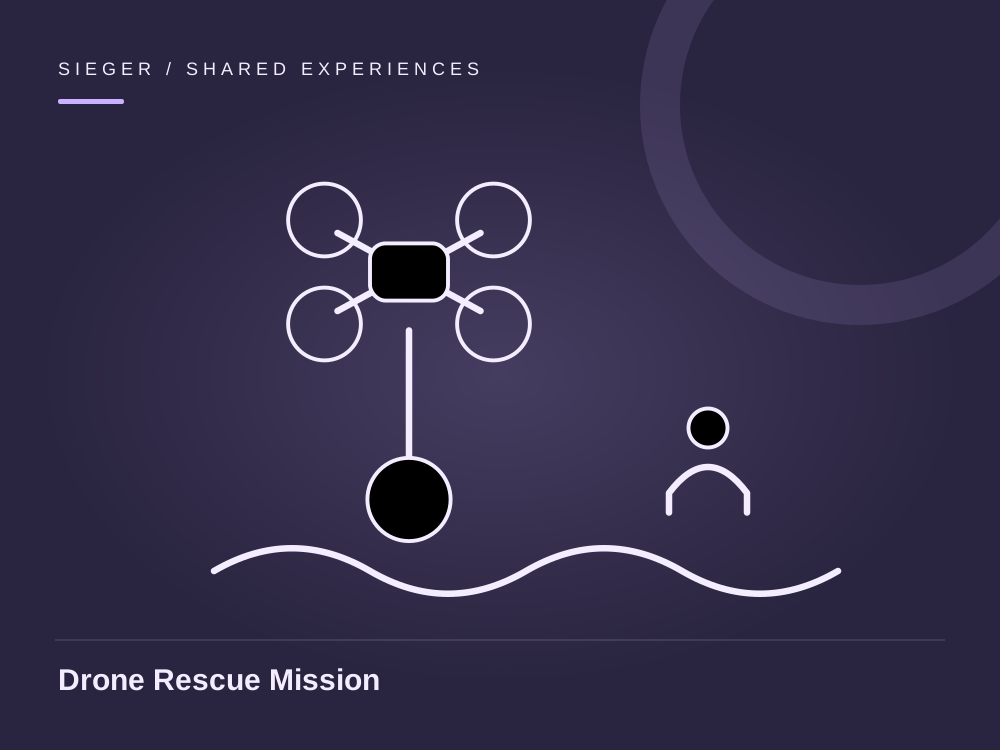
A simulated emergency has occurred inside a restricted zone. The team must plan a safe route, fly the drone through the course, identify the target and complete the recovery mission.
Agree the mission rules and success criteria during the briefing, then let your team choose its approach.
A practical progression from the first decision to the final demonstration.
Locate the simulated rescue target, boundaries and route restrictions.
Assign pilot, navigator, spotter and mission coordination responsibilities.
Choose an approach and agree when to stop or revise it.
Fly the controlled mission and complete the agreed simulated recovery task.
Review the route, communication and target handling before the next attempt.
Define the responsibilities of pilot, navigator and spotter.
Use concise instructions when the mission becomes demanding.
Balance flight control with the requirements of the recovery task.
Keep the team informed about boundaries, target position and progress.
A drone cannot compensate for poor coordination. The mission makes role clarity and concise communication immediately visible.
Plan Drone Rescue Mission around your participants, the available time and the decisions you want them to practise.
Group sizes and timings are planning guides. Equipment, technical depth and venue suitability are confirmed in the proposal.
Planning details for Drone Rescue Mission. Bring any additional requirements into your conversation with Sieger.
No. The program begins with a controlled briefing and supervised practice before the mission.
Yes, when the venue provides a suitable controlled flight area.
Yes. Difficulty, narrative, scoring, team size, duration, venue layout and the workplace behaviour being explored can all be customised.
Yes. The experience can be combined with electronics, drones, robotics, STEM, software, AI and mechanical challenges to create a larger technology challenge journey.
The current planning format is 20–60 participants, organised into teams of 5–6. Confirm the final group size with Sieger so equipment, facilitator coverage and team rotations can be planned.
The indicative activity duration is 75–90 min. Briefing, practice, team presentations and debrief requirements can affect the final agenda; agree the complete session timing during planning.
The proposed kit includes Prop-guarded beginner drone, Batteries and charger, Landing / flight markers, Obstacle gates, and Rescue payload or target. Confirm the final equipment list, participant devices and venue requirements with the programme team.
The existing format is designed with leadership offsites, technology teams, engineering groups, innovation events in mind. Share participants’ experience levels so the technical depth and facilitation can be matched to the group.
The facilitator can use the agreed challenge rules, team decisions and observed results to guide the debrief. The discussion connects role clarity, communication under pressure, precision to situations your team encounters at work.
Send your preferred date, location, participant count and learning objective through the enquiry form or call +91 98400 97567. Sieger can discuss the suitable format, equipment, venue needs and proposal.
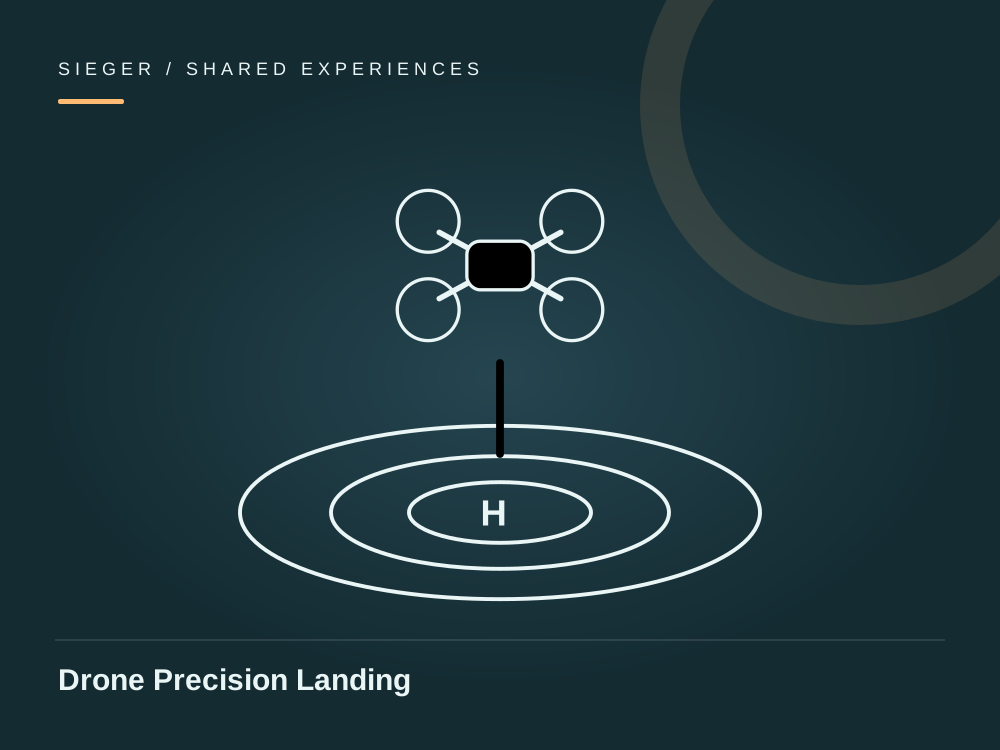
A focused flight challenge built around accuracy, feedback and controlled execution rather than speed alone.
Explore the experience ↗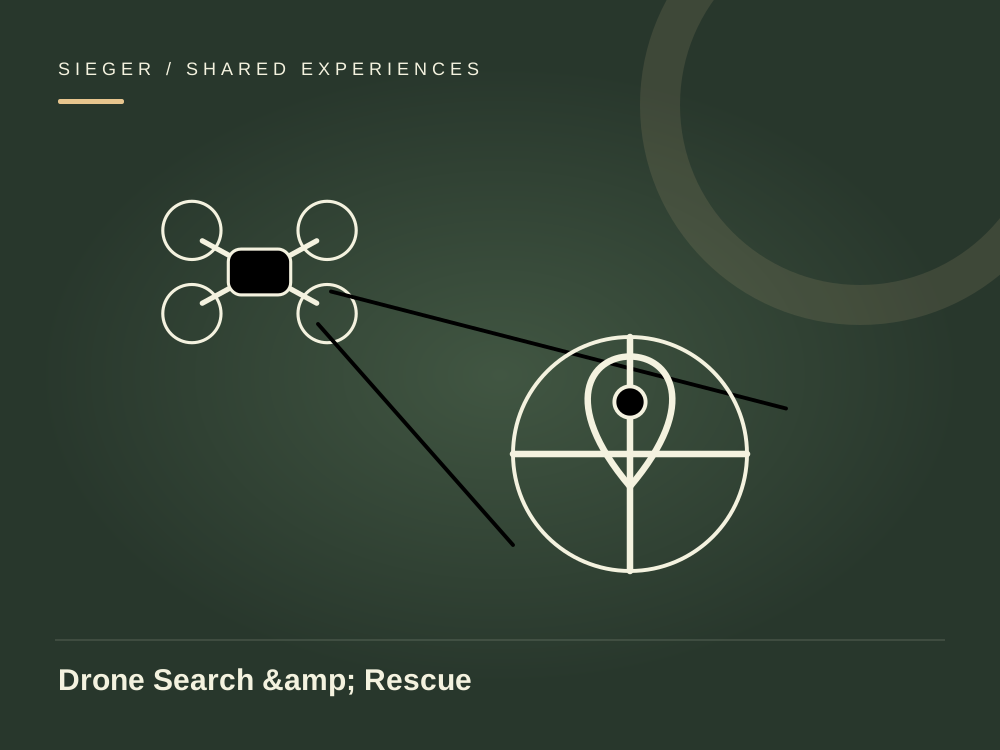
An aerial reconnaissance experience where teams use a drone to locate targets, interpret visual information and coordinate a response.
Explore the experience ↗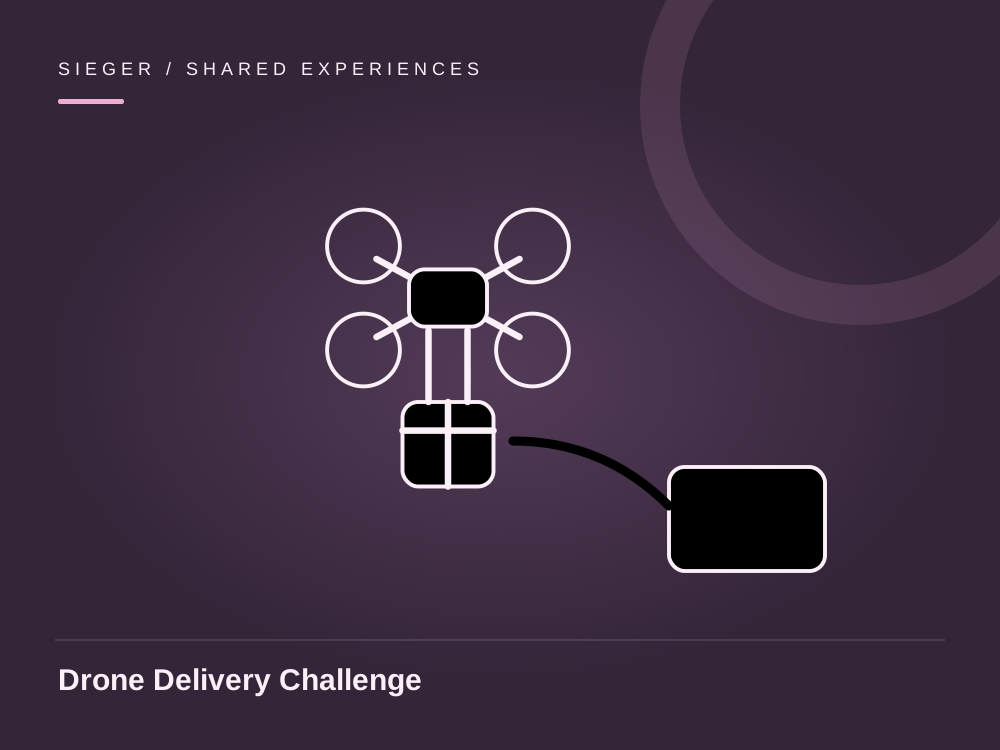
A precision logistics mission where teams must transport a payload through a controlled drone course and deliver it to the correct destination.
Explore the experience ↗Tell us what you have in mind. We will help you explore a programme that fits your people and your occasion.
Still finalising the details? Share what you know.
Every team is different. Share your people, purpose and preferred setting, and we’ll translate your brief into an experience designed to connect, engage and create lasting impact.
Share your brief and preferred contact details.
Choose an experience that connects your people, your purpose and the possibilities of technology.