
Interpret delivery priorities
Read the delivery orders and distinguish urgent items from easy wins.
Plan. Carry. Deliver.
A precision logistics mission where teams must transport a payload through a controlled drone course and deliver it to the correct destination.
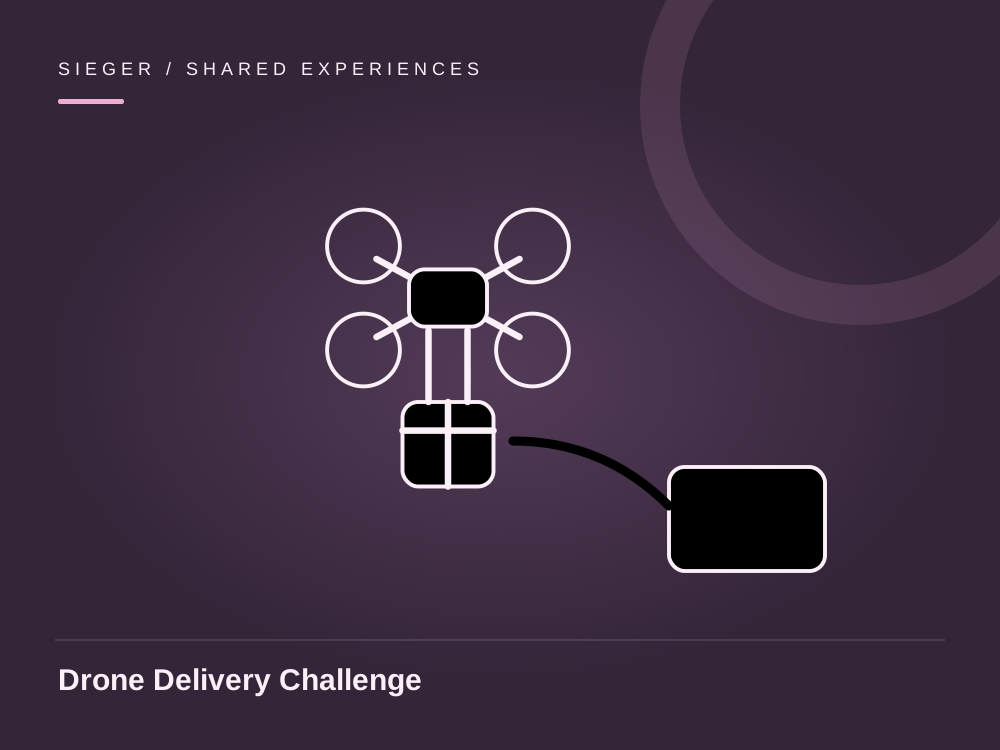
Teams are given delivery orders, a flight route and a payload. Their challenge is to plan the route, protect the payload and complete accurate deliveries within the mission window.
Agree the mission rules and success criteria during the briefing, then let your team choose its approach.
A practical progression from the first decision to the final demonstration.
Read the delivery orders and distinguish urgent items from easy wins.
Agree a route that accounts for landing points and the available mission window.
Prepare the simulated payload within the equipment limits explained at briefing.
Coordinate pilot and navigation instructions through the controlled course.
Check the delivery position and payload condition against the mission criteria.
Plan a delivery sequence around route and payload constraints.
Agree which orders matter most within the mission window.
Judge delivery by the correct position and payload condition.
Coordinate preparation, navigation and completion checks.
The activity turns logistics into a live team problem: every decision about sequence, route and communication affects the final result.
Plan Drone Delivery Challenge around your participants, the available time and the decisions you want them to practise.
Group sizes and timings are planning guides. Equipment, technical depth and venue suitability are confirmed in the proposal.
Planning details for Drone Delivery Challenge. Bring any additional requirements into your conversation with Sieger.
No. Payloads are lightweight and designed for controlled beginner-friendly flight.
Yes. Multiple teams can run parallel delivery missions using standardised scoring.
Yes. Difficulty, narrative, scoring, team size, duration, venue layout and the workplace behaviour being explored can all be customised.
Yes. The experience can be combined with electronics, drones, robotics, STEM, software, AI and mechanical challenges to create a larger technology challenge journey.
The current planning format is 20–60 participants, organised into teams of 5–6. Confirm the final group size with Sieger so equipment, facilitator coverage and team rotations can be planned.
The indicative activity duration is 60–75 min. Briefing, practice, team presentations and debrief requirements can affect the final agenda; agree the complete session timing during planning.
The proposed kit includes Prop-guarded drone, Lightweight payloads, Delivery pads, Route markers, and Order cards. Confirm the final equipment list, participant devices and venue requirements with the programme team.
The existing format is designed with operations teams, supply-chain teams, project teams, corporate leadership groups in mind. Share participants’ experience levels so the technical depth and facilitation can be matched to the group.
The facilitator can use the agreed challenge rules, team decisions and observed results to guide the debrief. The discussion connects operational planning, prioritisation, accuracy to situations your team encounters at work.
Send your preferred date, location, participant count and learning objective through the enquiry form or call +91 98400 97567. Sieger can discuss the suitable format, equipment, venue needs and proposal.
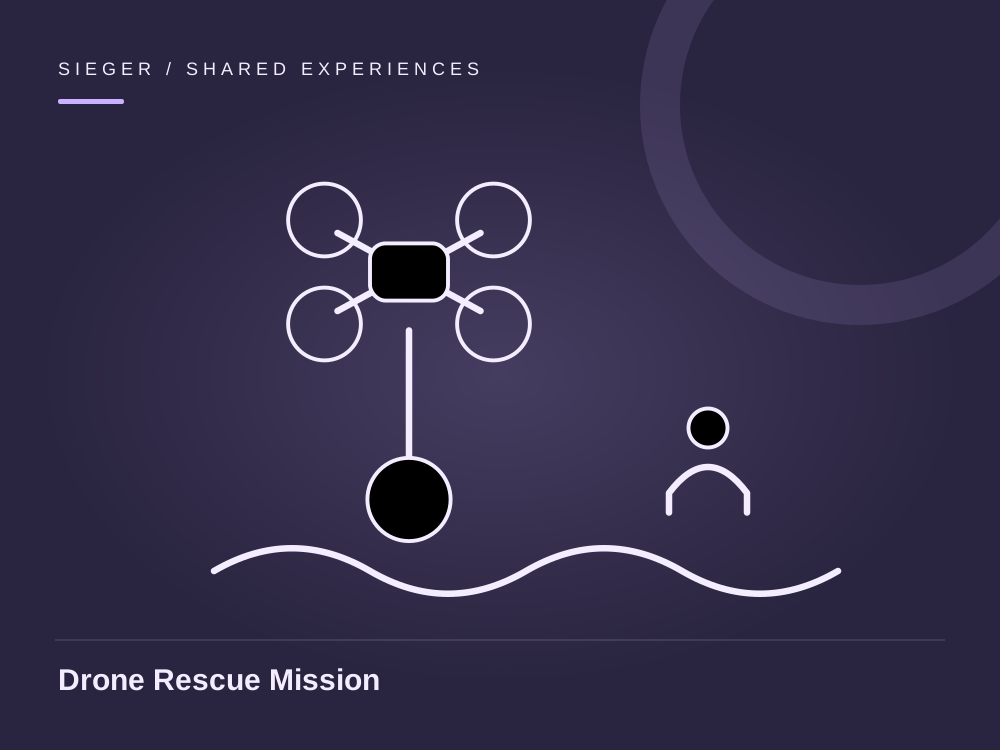
A controlled drone mission where teams plan a rescue route, navigate obstacles and recover a simulated target or payload.
Explore the experience ↗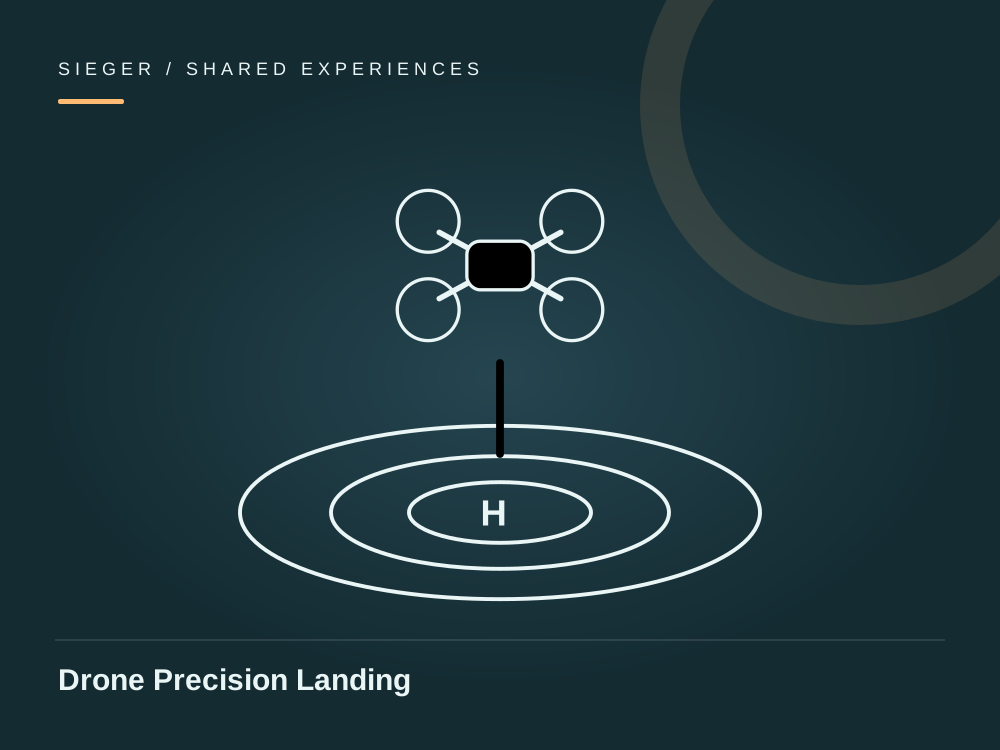
A focused flight challenge built around accuracy, feedback and controlled execution rather than speed alone.
Explore the experience ↗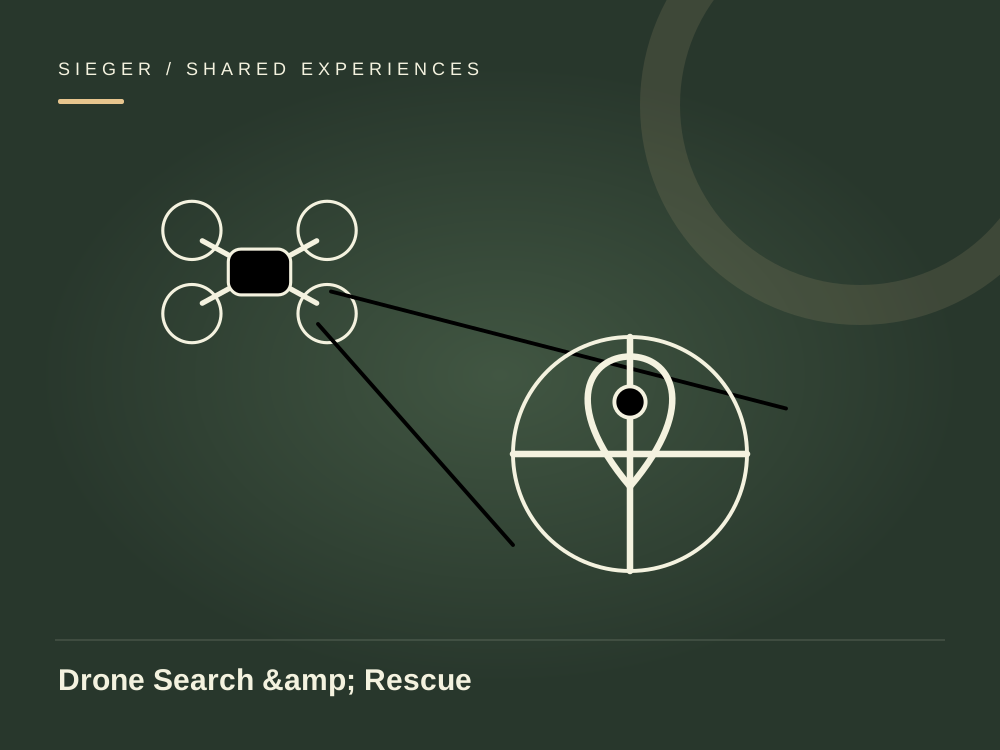
An aerial reconnaissance experience where teams use a drone to locate targets, interpret visual information and coordinate a response.
Explore the experience ↗Tell us what you have in mind. We will help you explore a programme that fits your people and your occasion.
Still finalising the details? Share what you know.
Every team is different. Share your people, purpose and preferred setting, and we’ll translate your brief into an experience designed to connect, engage and create lasting impact.
Share your brief and preferred contact details.
Choose an experience that connects your people, your purpose and the possibilities of technology.