Communicate with purpose
Share clear updates, check understanding and keep everyone oriented around the same objective.
Bring people together, whatever the weather.
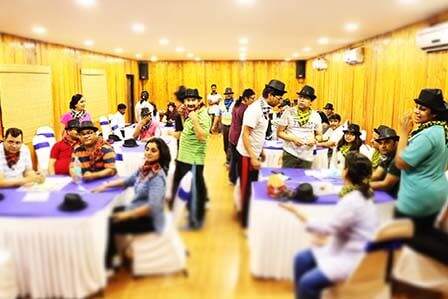
Turn an office, conference room or event venue into a space for purposeful collaboration. Sieger Group’s indoor team building activities bring colleagues together through energisers, creative challenges and shared problem-solving, shaped around your group and event goals.

Indoor team events make it easier to bring people together in a familiar, weather-ready setting. A well-chosen mix of activities can help a group meet, reset its energy or work through a shared challenge without needing an outdoor venue.
From quick icebreakers to creative builds and collaborative problem-solving, the facilitator shapes the flow for your team. Each activity gives colleagues a practical reason to communicate, contribute ideas and celebrate progress together.
Every round creates a chance to make teamwork visible and take useful habits back to work.
Share clear updates, check understanding and keep everyone oriented around the same objective.
Bring different perspectives into the plan and turn individual suggestions into a team response.
Compare options, agree a next step and adapt when a challenge changes direction.
Use turns and team roles to invite quieter voices and recognise different ways to contribute.
Learn from a missed attempt, refine the approach and return to the task with fresh focus.
Notice good coordination and encouragement, not only the final result or winning team.
Indoor team building works best when the activity, room and event schedule fit together. Sieger Group can plan a sequence that builds energy, gives participants clear ways to join in and closes with a useful conversation.
Review available space, group size and the indoor activity selection.
Clarify the objective and roles for the chosen table-based or movement task.
Rotate participation and adjust communication as the activity mix develops.
Discuss which challenge revealed useful observations about the way colleagues work together.
Explore indoor group moments, from shared problem-solving to facilitated games and creative team challenges.
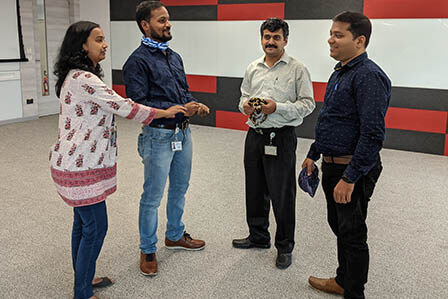
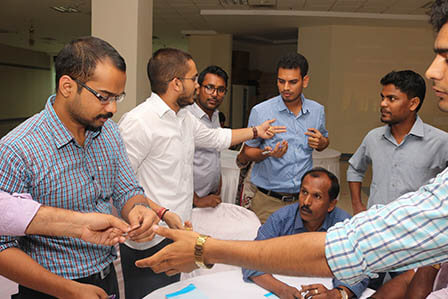
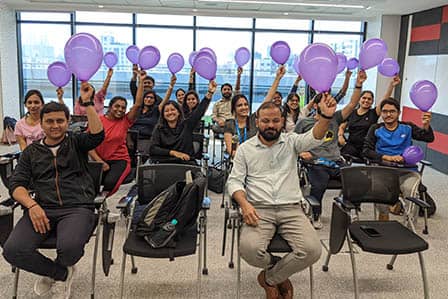

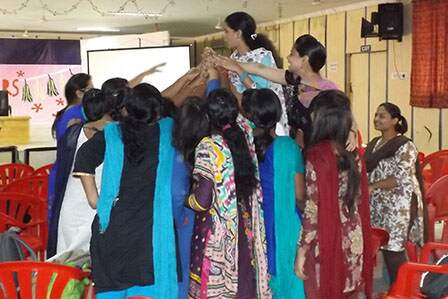
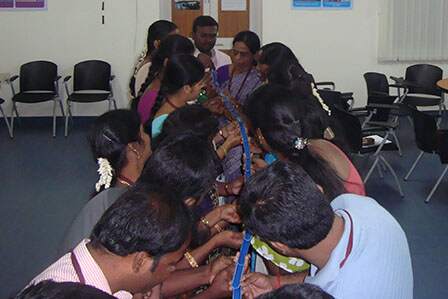
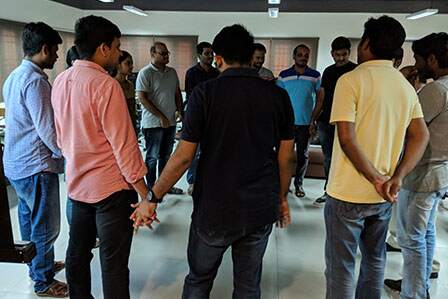
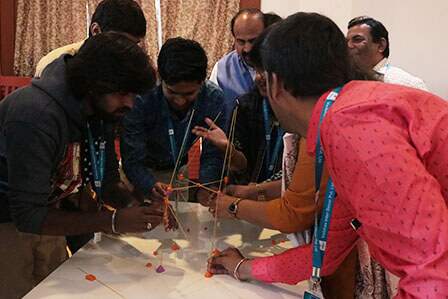
A fast-paced indoor challenge gives colleagues a shared experience to talk about. The facilitator can help the team notice how it set priorities, exchanged information, invited participation and responded when the first plan needed to change.
That reflection makes the session relevant beyond the room. Teams can identify specific habits to carry forward, such as clarifying ownership, checking assumptions or making space for different perspectives.
How did teams adapt their approach across different indoor tasks?
Which roles suited colleagues with different ways of contributing?
What helped groups communicate in the shared event space?
Which activity revealed a useful pattern in how the team works?
Reflect on how the room arrangement affected participation and communication.
Consider how different indoor formats brought out different contributions from the same group.
Choose an indoor team event that suits the room, the people taking part and the outcome you want to support. The activity mix can be planned as a short energiser or as part of a wider corporate programme.
A circle of participants coordinates a timed change between balanced chairs. Listening to the shared cue and moving together are central to this facilitator-led indoor challenge.
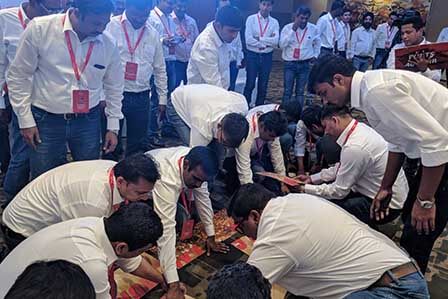
The group turns a carpet over while keeping everyone on it. Teams discuss positioning, share ideas and adjust their plan to accommodate every participant within the available space.
Players seated in a circle move into the neighbouring empty chair while a participant in the centre tries to take a seat. The moving gap creates a lively game of attention and timing.
A themed indoor hide-and-seek game puts one participant in the seeker role. The facilitator sets the playing boundaries and explains how discovered players rejoin the game.
Two teams respond when the facilitator calls their assigned numbers. Selected players use the agreed equipment to compete for a goal, while teammates follow the action and encourage their side.
Draw a chosen word while teammates try to guess it. Rotating artists and sharing interpretations make this indoor drawing game accessible to colleagues with different creative styles.
Participants use assigned sounds to find their matching teammates. Listening through the mix of noises turns a simple grouping task into a playful communication challenge.
Teams tackle a series of short, sixty-second challenges. Quick planning, clear roles and encouragement help colleagues make the most of each round.
Participants try to retrieve objects quietly while a central listener identifies where sounds are coming from. The facilitator explains the listening role, boundaries and turn-taking before play begins.
Imagine the team is stranded on a desert island and agree ten essential items for survival and return. The challenge centres on explaining priorities, comparing ideas and reaching a shared decision.
Blindfolded teammates work together to arrange a rope into a square. Without visual confirmation, the group relies on clear descriptions, listening and agreed roles within the facilitated task.
Teams solve Sudoku puzzles against the activity clock. Sharing deductions and checking possible answers brings collaborative reasoning into a familiar number-puzzle format.
Participants share a mixture of true and invented statements about themselves. Colleagues guess which statement is false and discover stories beyond their usual workplace conversations.
Each team needs puzzle pieces held by other groups to finish its picture. Negotiation, exchanges and a shared team strategy shape how the puzzles come together.
Create a shared collection of workplace stories, drawings and memorable moments. The book becomes a record of the team's experiences that colleagues can continue contributing to.
Each participant introduces an object, interest or personal story to the group. Taking turns to present and ask questions gives colleagues a structured opportunity to learn about one another.
Label stacking blocks to represent roles or departments, then explore how changes affect the structure. Use the activity to discuss dependencies and the assumptions behind the team's organisational model.
Work together on a tent-building brief within the selected indoor format. Teams coordinate the assembly through shared instructions, with the facilitator confirming equipment and any restrictions on visual information.
Pass an object around a circle as quietly as possible while a listener tries to locate its movement. Careful handovers and attentive listening shape the group's approach.
A participant follows a guided route and attempts to retrace it within the agreed activity area. The facilitated format explores spatial awareness, clear directions and remembering a sequence.
A guided search challenge asks participants to locate a teammate within a defined indoor area. The facilitator explains the blindfold format, boundaries and available ways to participate.
Guides communicate directions to teammates navigating a marked maze with restricted sight. Teams practise making instructions distinct and checking understanding when several groups are active.
A guided rope-route activity asks participants to stay connected as a group while visual information is restricted. Communication along the line helps teammates respond to changes in pace or direction.
A sighted partner gives verbal guidance to a blindfolded teammate moving towards them. The exercise focuses attention on precise directions, listening and confirmation between partners.
Guide a teammate through a marked obstacle area using verbal instructions. The indoor format invites teams to discuss clear language, attentive listening and the value of checking an instruction.
Different communication roles combine in one guided task: a participant cannot see, one colleague can speak, and others communicate without words. The team must connect information across those roles.
A blindfolded group works together to form the requested shape. Participants discuss their approach, establish useful roles and use spoken information to coordinate the result.
Build a tower from the supplied blocks in a format that restricts visual information. Teammates coordinate placement and share clear descriptions as the structure develops.
Participants find their assigned animal group by listening for matching sounds. The facilitator explains the blindfold format and playing area before the teams regroup.
Choose an indoor board game suited to the group's interests, available time and event objectives. Strategy, deduction or storytelling formats give colleagues a shared focus for conversation and friendly competition.
One participant describes a line drawing to a teammate who cannot see the reference. Comparing the finished image with the original opens a discussion about detail, assumptions and clear instructions.
Build a shared timeline with company milestones and experiences participants choose to contribute. The display helps colleagues explore the different backgrounds and perspectives represented in the team.
Participants use individual pipe sections to pass a ball around the group. Coordinating the joins and timing each transfer makes everyone's contribution part of one continuous route.
Pairs design paper aircraft and add clues about themselves before a flying contest. The group then uses those clues to guess which colleagues created each plane.
Two facing rows work together to lower a lightweight stick while maintaining the required contact. The shared movement reveals how small individual adjustments affect the whole group's progress.
Participants form a connected hand-holding arrangement and work together to untangle it. The facilitated challenge encourages discussion about movement, patience and attending to other people's positions.
Teams pool their knowledge to answer questions across several topics. Discussing possible answers and making a final choice creates a lively indoor quiz for a corporate gathering.
Participants arrange themselves in order of foot size with visual information restricted. The facilitated task encourages the group to agree how it will compare information and coordinate the line.
Design an original board game together, including its rules, playing pieces and objective. Teams combine imaginative ideas into a game that others can understand and play.
Separate teams construct bridge halves that must fit together without seeing the other team's work. Agreed dimensions, clear descriptions and coordinated design decisions shape the final connection.
Sieger Group supports organisations with team-building experiences and facilitated programmes.
Practical answers to help you plan an indoor corporate team event.
A facilitator welcomes the group, explains the chosen activity and guides teams through the challenge. The session can close with a short reflection on communication, participation and shared decisions.
Options can include icebreakers, energisers, collaborative problem-solving and creative group challenges. Sieger Group can discuss a suitable activity mix for your team, venue and event objectives.
Yes. Indoor activities can be planned for corporate meetings, conferences, team days and staff events. The format depends on your audience, schedule, venue and goals.
Share the outcomes you want to support, such as communication, collaboration, creative thinking or stronger connections across departments. Sieger Group can recommend a format to discuss against those goals.
An office, conference room, banquet hall or event venue may work, depending on the activity and group size. Share the room details so the setup and activity requirements can be confirmed.
The suitable group size depends on the activity, room layout and schedule. Include your expected headcount in the enquiry so the team can discuss a practical arrangement.
Session length varies with the activity mix and event programme. Tell us how much time you have available and we can discuss a format that fits.
Please share your preferred date, city or venue, team size, audience, available time and the goals for your event. Any room or accessibility requirements are useful too.
Tell us what the event should achieve. We can help shape an indoor activity plan around your people, room, timings and the energy you want to create.
Select a format that suits your agenda, from a quick energiser to a longer collaborative challenge.
Still finalising plans? Share what you know and we can start there.
Leave your details and a little about the session you have in mind.
Share your event brief with Sieger Group and shape an indoor team session around your people, venue and objectives.