
Study the checkpoint map
Study the checkpoint map. Complete tasks within the agreed venue boundaries.
Explore. Coordinate. Complete.
A team race combines digital clues with a sequence of venue-based tasks. Teams choose a route, complete challenges and submit evidence of their progress.
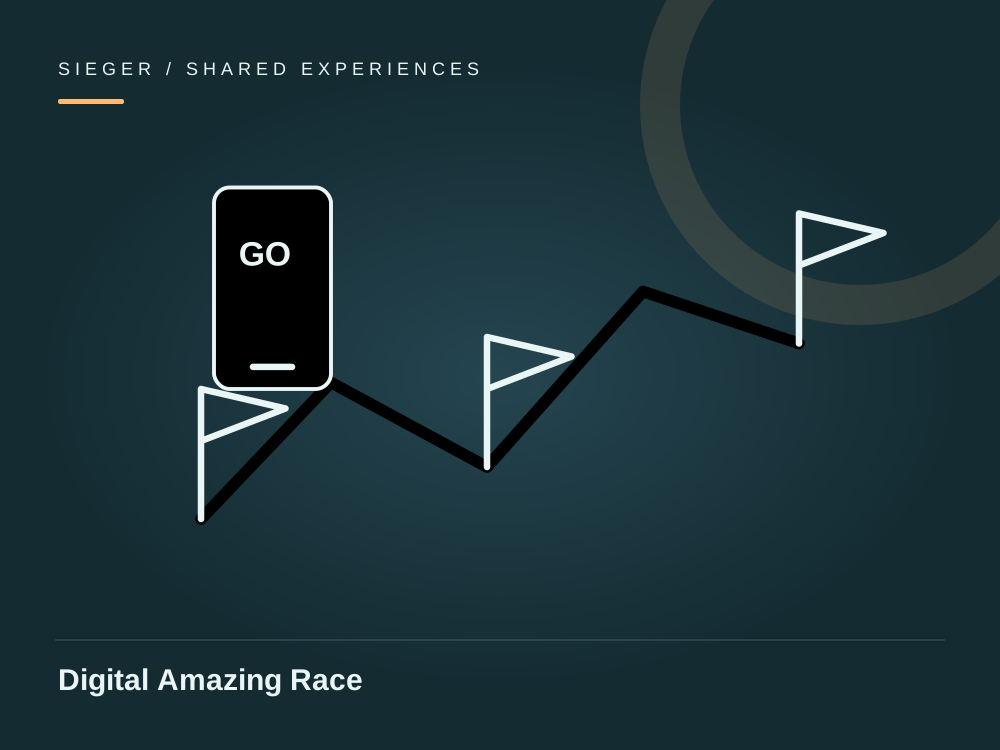
A team race combines digital clues with a sequence of venue-based tasks. Teams choose a route, complete challenges and submit evidence of their progress.
Agree the mission rules and success criteria during the briefing, then let your team choose its approach.
A practical progression from the first decision to the final demonstration.
Study the checkpoint map. Complete tasks within the agreed venue boundaries.
Agree a route and team roles. Submit clear evidence for each checkpoint.
Unlock and complete the first task. Keep the team together through route changes.
Submit evidence and adapt the route. Review penalties and completion criteria before starting.
Finish with a shared race review. Complete tasks within the agreed venue boundaries.
Complete tasks within the agreed venue boundaries.
Submit clear evidence for each checkpoint.
Keep the team together through route changes.
Review penalties and completion criteria before starting.
Use the debrief to compare the team’s decisions with the final result. Discuss which information helped, where a handoff failed and what the team would do differently in a comparable workplace situation.
Plan Digital Amazing Race around your participants, the available time and the decisions you want them to practise.
Group sizes and timings are planning guides. Equipment, technical depth and venue suitability are confirmed in the proposal.
Planning details for Digital Amazing Race. Bring any additional requirements into your conversation with Sieger.
A team race combines digital clues with a sequence of venue-based tasks. Teams choose a route, complete challenges and submit evidence of their progress.
The session progresses through these tasks: study the checkpoint map; agree a route and team roles; unlock and complete the first task; submit evidence and adapt the route; finish with a shared race review.
Complete tasks within the agreed venue boundaries. Submit clear evidence for each checkpoint. Keep the team together through route changes. Review penalties and completion criteria before starting.
Use the debrief to compare the team’s decisions with the final result. Discuss which information helped, where a handoff failed and what the team would do differently in a comparable workplace situation.
Group size is agreed after reviewing the venue, available equipment and facilitation format. Share your expected numbers so the programme can be organised into suitable teams.
Duration is agreed in the proposal. The agenda should allow time for the briefing, challenge rounds, discussion and a closing debrief.
The proposed format uses digital mission briefs, approved route or task map, shared device or participant devices as agreed, evidence submission format. Confirm devices, internet access and venue needs before booking.
Share the audience profile and any accessibility needs during planning. Task complexity, role allocation and support can be discussed to suit the participants.
The scenario, difficulty and discussion focus can be discussed around your objectives. Agree the final scope and any content requirements with Sieger before the event.
Send your preferred date, venue, participant count and objectives through the enquiry form. Mention Digital Amazing Race so the team can discuss the relevant format.

Teams travel through a sequence of virtual destinations, solving location-themed challenges and deciding how to use a shared time budget.
Explore the experience ↗
Teams use location clues and an agreed navigation format to reach mission points, interpret the surroundings and complete tasks at each stop.
Explore the experience ↗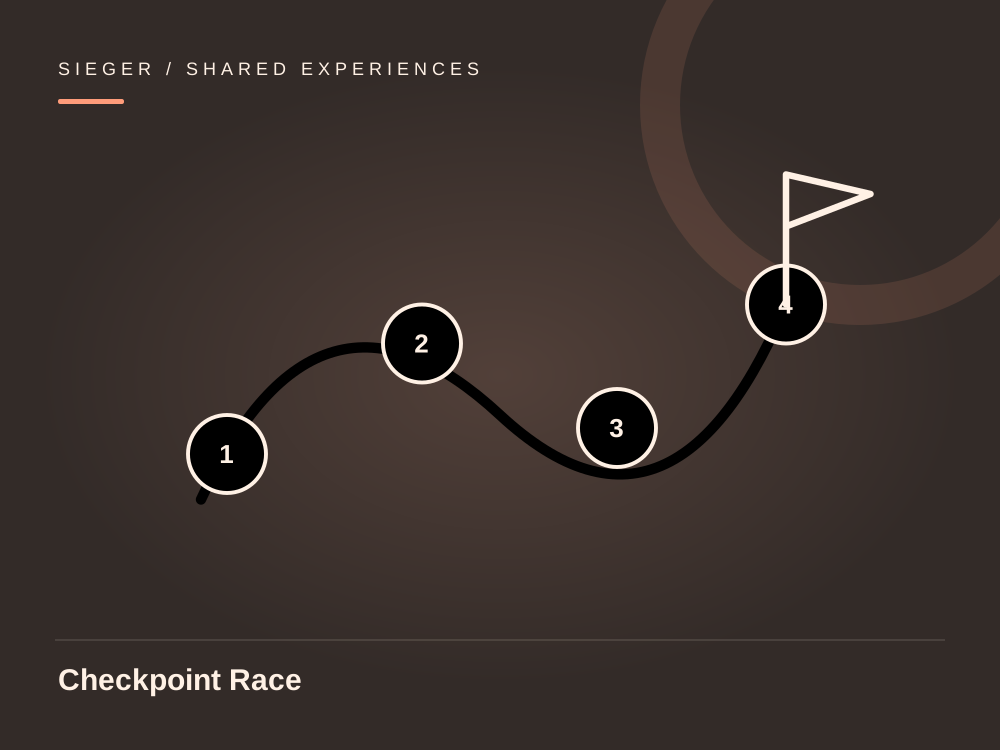
A sequence of checkpoints challenges teams to plan their order of work, share information and keep quality consistent as time runs down.
Explore the experience ↗Tell us what you have in mind. We will help you explore a programme that fits your people and your occasion.
Still finalising the details? Share what you know.
Every team is different. Share your people, purpose and preferred setting, and we’ll translate your brief into an experience designed to connect, engage and create lasting impact.
Share your brief and preferred contact details.
Choose an experience that connects your people, your purpose and the possibilities of technology.