
Read the rescue brief
Read the rescue brief. Use a simulated rescue object.
Plan. Collaborate. Improve.
Teams coordinate a fictional rescue task using a constrained set of equipment, agreeing roles and a sequence for moving a simulated object to a designated destination.
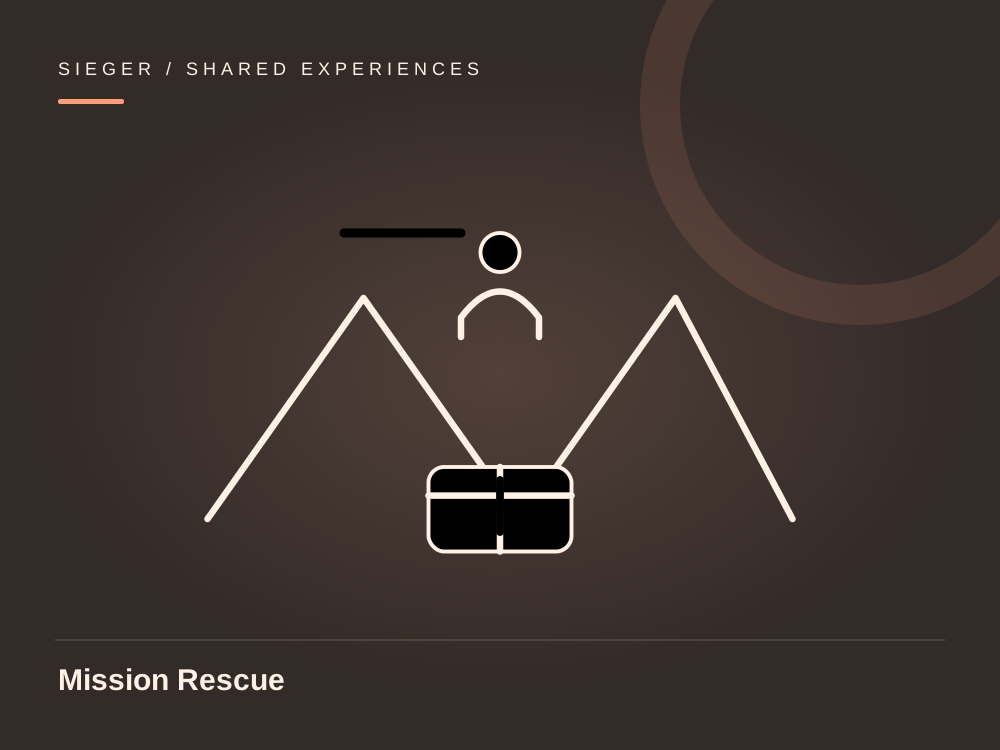
Teams coordinate a fictional rescue task using a constrained set of equipment, agreeing roles and a sequence for moving a simulated object to a designated destination.
Agree the mission rules and success criteria during the briefing, then let your team choose its approach.
A practical progression from the first decision to the final demonstration.
Read the rescue brief. Use a simulated rescue object.
Plan the task sequence. Work within the agreed task boundaries.
Assign roles and equipment. Clarify each participant’s role.
Complete the simulated recovery. Judge completion against the brief.
Review coordination and handoffs. Use a simulated rescue object.
Use a simulated rescue object.
Work within the agreed task boundaries.
Clarify each participant’s role.
Judge completion against the brief.
Use the review to connect role clarity, communication and adjustment to the way your team completes shared work.
Plan Mission Rescue around your participants, the available time and the decisions you want them to practise.
Group sizes and timings are planning guides. Equipment, technical depth and venue suitability are confirmed in the proposal.
Planning details for Mission Rescue. Bring any additional requirements into your conversation with Sieger.
Teams coordinate a fictional rescue task using a constrained set of equipment, agreeing roles and a sequence for moving a simulated object to a designated destination.
The session progresses through these tasks: read the rescue brief; plan the task sequence; assign roles and equipment; complete the simulated recovery; review coordination and handoffs.
Use a simulated rescue object. Work within the agreed task boundaries. Clarify each participant’s role. Judge completion against the brief.
Use the review to connect role clarity, communication and adjustment to the way your team completes shared work.
Group size is agreed after reviewing the venue, available equipment and facilitation format. Share your expected numbers so the programme can be organised into suitable teams.
Duration is agreed in the proposal. The agenda should allow time for the briefing, challenge rounds, discussion and a closing debrief.
The proposed format uses activity brief, facilitator-selected task materials, agreed performance criteria, debrief guide. Confirm devices, internet access and venue needs before booking.
Share the audience profile and any accessibility needs during planning. Task complexity, role allocation and support can be discussed to suit the participants.
The scenario, difficulty and discussion focus can be discussed around your objectives. Agree the final scope and any content requirements with Sieger before the event.
Send your preferred date, venue, participant count and objectives through the enquiry form. Mention Mission Rescue so the team can discuss the relevant format.
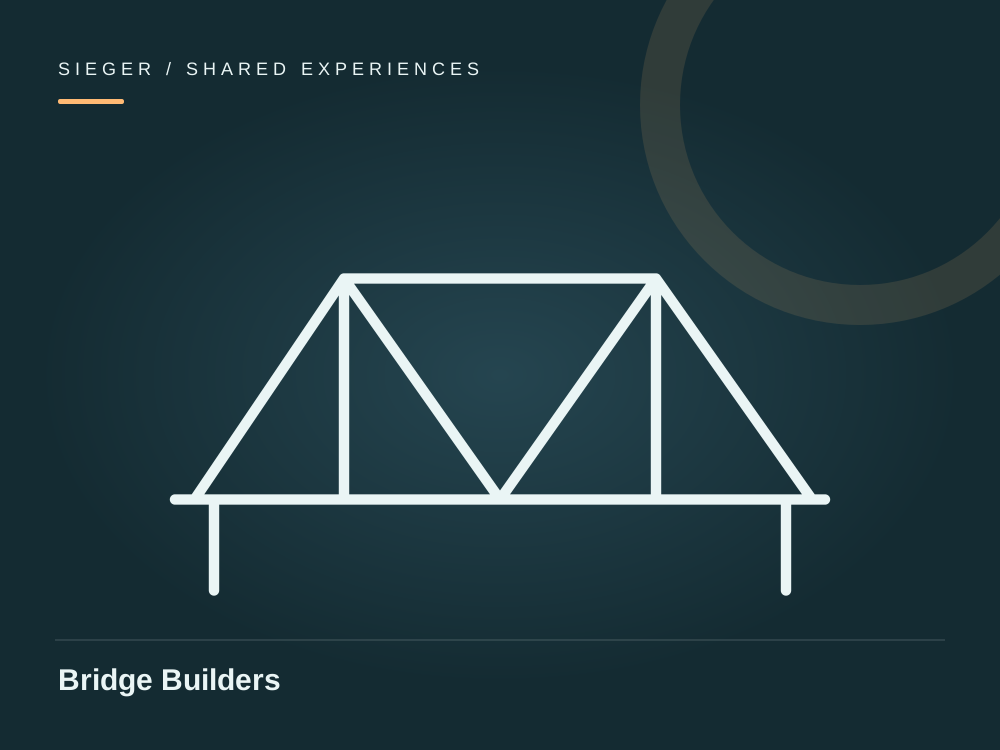
A structural engineering challenge where teams build a bridge that must carry a defined load while using limited materials.
Explore the experience ↗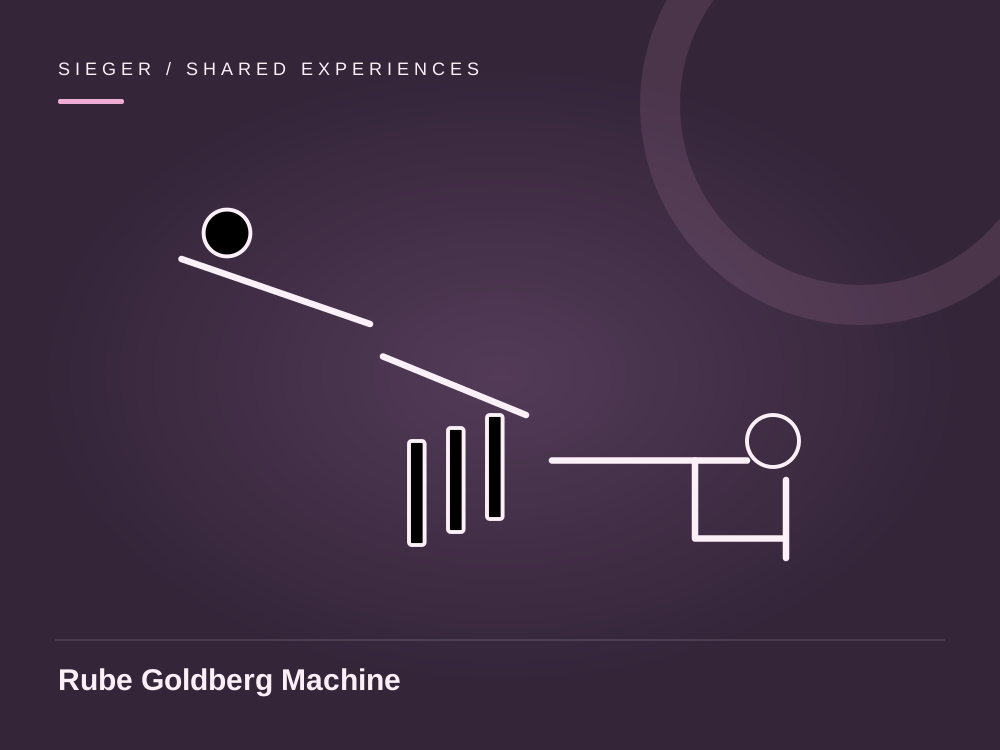
A chain-reaction engineering challenge where every component must trigger the next step to complete a final outcome.
Explore the experience ↗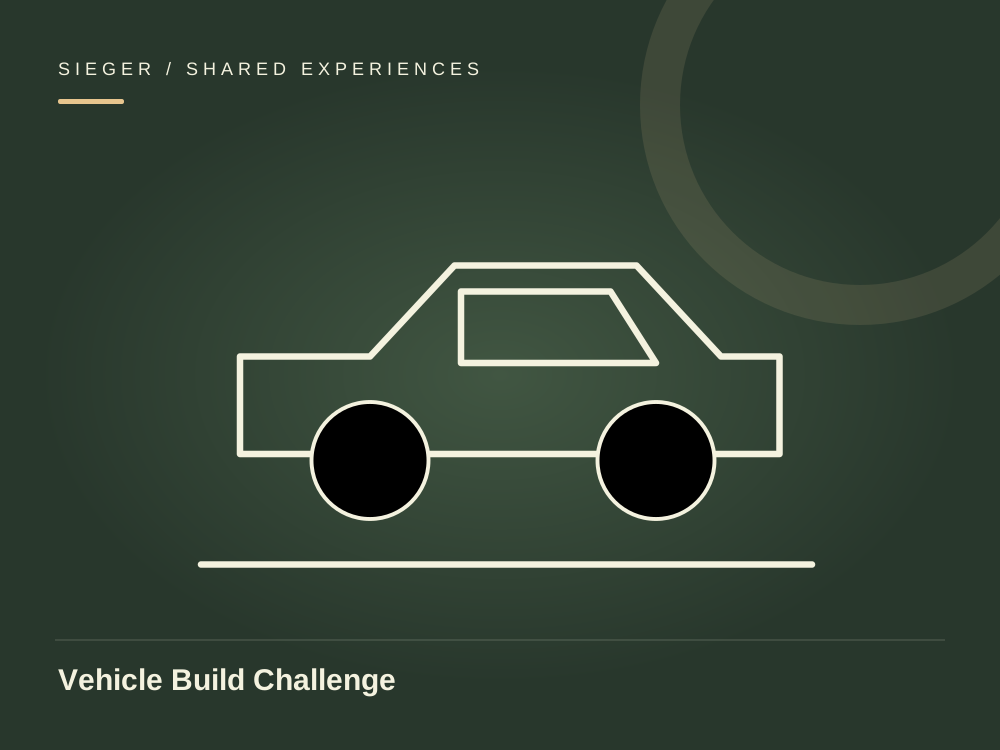
A prototype vehicle challenge where teams balance speed, stability, distance and design constraints.
Explore the experience ↗Tell us what you have in mind. We will help you explore a programme that fits your people and your occasion.
Still finalising the details? Share what you know.
Every team is different. Share your people, purpose and preferred setting, and we’ll translate your brief into an experience designed to connect, engage and create lasting impact.
Share your brief and preferred contact details.
Choose an experience that connects your people, your purpose and the possibilities of technology.